

Postsecondary Counseling
Postsecondary Counseling helps students explore what comes after high school and consider options that align with their career interests, strengths, personal goals, and future plans.
Through guided planning and exploration, students can learn more about education, training, career pathways, and the steps needed to move successfully from high school into adult life.

What Is Postsecondary Counseling?
Postsecondary Counseling supports students as they begin considering the many possibilities available after high school.
Students can explore college, technical education, career training, certification programs, employment pathways, and other options that may help them reach their future goals.
The process can also help students better understand what different pathways require, including applications, admissions, training, financial considerations, workplace expectations, and other transition-related responsibilities.
By exploring these options early, students can begin making informed decisions and developing a clearer plan for life after high school.

Students May Explore:
- Personal career and education goals
- College and postsecondary education options
- Technical and vocational training
- Certification and credential programs
- Employment and career pathways
- Transition goals and next steps
- Resources that support success after high school
Areas May Include
Postsecondary Counseling can help students better understand their options and create a pathway that reflects their individual interests, abilities, needs, and goals.

Career Clusters
Career clusters help students organize occupations into broad areas based on similar skills, interests, industries, and types of work.
- Explore different career fields
- Identify areas of interest
- Connect strengths to career pathways
- Research related occupations
- Understand possible education requirements

Postsecondary Education Options
Students can explore different types of education available after high school and learn how each option may connect to their future goals.
- Community colleges
- Four-year colleges and universities
- Technical schools
- Certificate programs
- Other specialized education opportunities
Training Opportunities
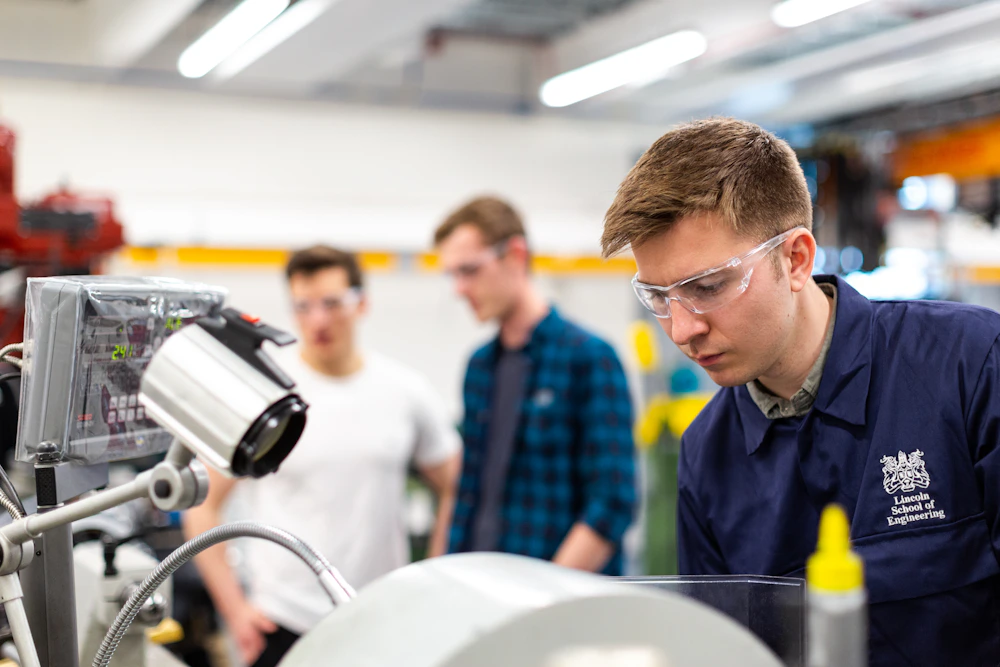
Students may explore training programs that provide practical skills, credentials, certifications, or preparation for specific careers.
- Vocational training
- Technical programs
- Industry certifications
- Apprenticeship pathways
- Career-specific skill development

Transition Planning
Transition planning helps students identify goals and begin organizing the steps, resources, and supports they may need after high school.
- Identify postsecondary goals
- Create short-term action steps
- Explore available resources
- Discuss support needs
- Prepare for increased independence

Strategies for a Successful Transition
Students can develop strategies that help them prepare for new responsibilities, environments, expectations, and opportunities after high school.
- Goal setting and planning
- Organization and time management
- Self-advocacy
- Communication skills
- Understanding available supports
- Preparing for new routines and expectations

What Students Can Gain
Postsecondary planning gives students the opportunity to better understand their choices, prepare for future responsibilities, and develop a clearer path toward their goals.
Greater Awareness
Students become more familiar with education, training, employment, and other opportunities available after high school.
Clearer Goals
Students can identify personal, educational, and career goals that reflect their interests and strengths.
Informed Choices
Exploring multiple pathways can help students make informed decisions about their future.
Transition Readiness
Students can begin preparing for the responsibilities and expectations that come with life after high school.
Self-Advocacy
Students can strengthen their ability to communicate their goals, preferences, needs, and questions.
Confidence
Having a clearer understanding of available options can help students feel more prepared and confident about their next steps.
Building a Successful Transition Plan
Postsecondary Counseling helps students move from exploring possibilities to identifying meaningful next steps for education, training, employment, and adult life.
Explore
Learn about education, training, employment, and career pathways.
Identify
Identify goals, interests, strengths, needs, and preferences.
Plan
Develop steps and strategies for moving toward postsecondary goals.
Transition
Prepare for the responsibilities, opportunities, and expectations that come after high school.
Helping Students Build a Path Beyond High School
Every student's journey after high school can look different. Postsecondary Counseling helps students explore their options, identify meaningful goals, and develop a plan that supports education, training, employment, independence, and future success.